
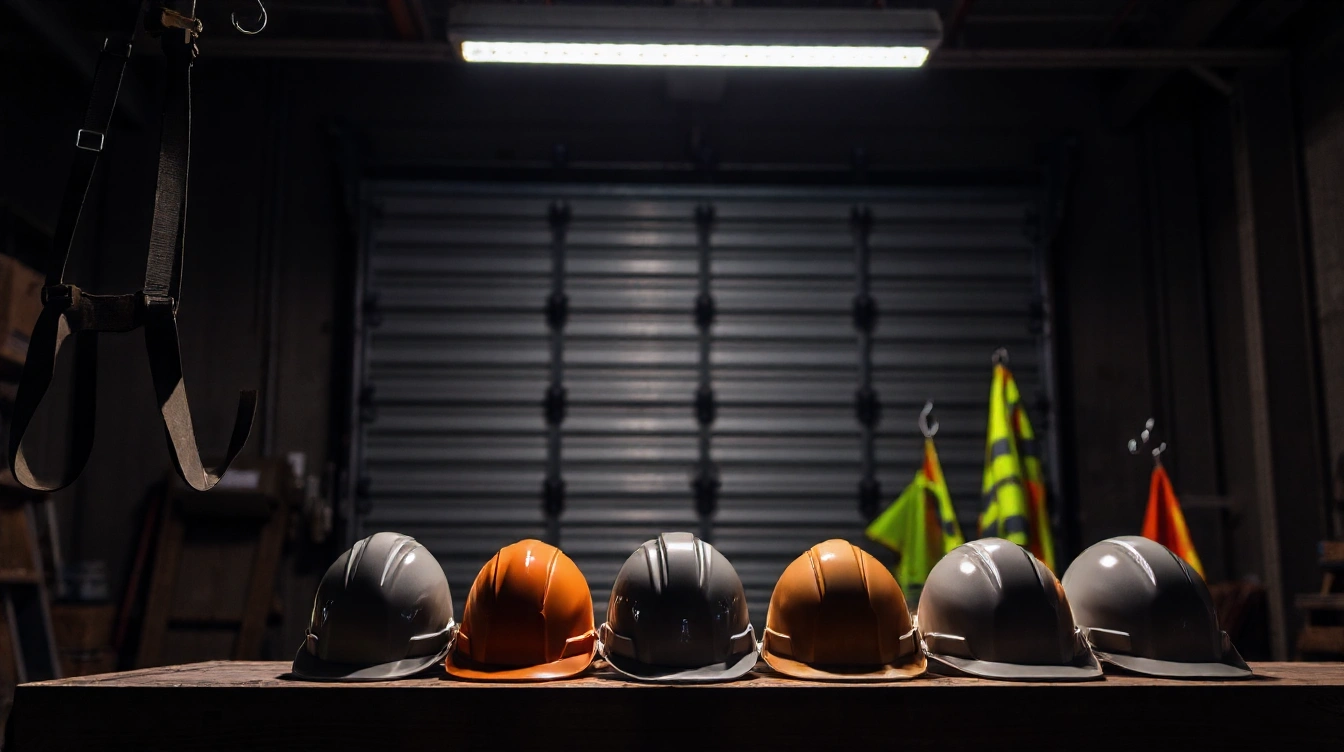
Protecting warehouse workers depends heavily on using the right safety gear. Essential personal protective equipment (PPE) creates a barrier against common hazards like falling objects, sharp surfaces, and loud noises. Choosing helmets, gloves, vests, eyewear, and footwear that meet industry standards is not just a legal requirement—it directly reduces injuries and improves workplace confidence. Understanding how to select, verify, and maintain this equipment ensures maximum protection tailored to the unique demands of warehouse environments.
Essential Personal Protective Equipment for Warehouse Safety
When it comes to warehouse safety gear, personal protective equipment (PPE) stands as the first line of defense against common workplace hazards. Key components of PPE include helmets, gloves, high-visibility vests, protective eyewear, sturdy footwear, and ear protection.
In the same genre : Elevate your business aesthetic with commercial upholstery in bath
Helmets provide crucial head protection from falling objects or accidental bumps, making them indispensable in environments with overhead risks. Equally important are gloves, which safeguard hands from cuts, chemical exposure, and abrasions during handling tasks.
High-visibility vests enhance worker visibility, significantly reducing collision risks in busy warehouse settings. For eye safety, protective eyewear shields against dust, flying debris, and chemical splashes, preserving sight and preventing serious injuries. Protective footwear, often steel-toed, guards feet against heavy items and sharp objects, while ear protection reduces hearing damage from continuous exposure to loud machinery.
Also read : Understanding http status code 301: the key to redirects
The importance of PPE in warehouse safety cannot be overstated. Using the right must-have equipment directly correlates to lower accident and injury rates, ensuring a safer work environment. Compliance with the latest industry standards, such as OSHA regulations and ANSI requirements, ensures that PPE meets rigorous performance criteria, optimizing protection and durability. Staying updated with these standards is essential for any organization committed to employee safety.
For detailed guidance on integrating proper gear into your safety program, consulting resources on warehouse protection equipment helps tailor solutions to your specific needs.
Features and Standards of Top Warehouse Safety Gear
Selecting the right safety equipment features is crucial to ensure effective protection in a warehouse environment. The gear must provide durability, comfort, and specific protective functions such as impact resistance, slip prevention, and chemical resistance. Key features often include reinforced toe caps, puncture-resistant soles, adjustable fittings, and breathable materials to maintain comfort during long shifts.
Understanding ANSI/OSHA compliance is fundamental when choosing warehouse safety gear. ANSI (American National Standards Institute) and OSHA (Occupational Safety and Health Administration) set rigorous standards to guarantee that personal protective equipment (PPE) meets minimum safety requirements. For example, ANSI standards cover impact resistance for helmets and protective eyewear, while OSHA mandates proper use and maintenance protocols for PPE to reduce workplace injuries.
To verify warehouse PPE standards compliance, always look for certification marks on the equipment and documentation from the manufacturer. Products should come with labels indicating ANSI or OSHA approval, and users should ensure that the gear corresponds to the latest edition of these standards. Regular inspections and training on proper use also reinforce compliance, promoting safer warehouse operations.
Investing in certified warehouse safety gear with verified compliance not only safeguards workers but also helps facilities meet regulatory obligations.
Recommended Brands and Purchasing Tips for Safety Equipment
Choosing the best warehouse PPE brands is crucial for ensuring both safety and comfort on the job. Reliable brands have a proven track record of producing durable and effective safety gear designed specifically for the demands of warehouse environments. When considering where to buy safety gear, it’s advisable to select vendors offering a broad selection from trusted manufacturers, as this increases the likelihood of finding equipment perfectly suited to your needs.
When selecting equipment, prioritize fit and comfort ill-fitting PPE can impair performance and compliance. For example, gloves should allow dexterity without sacrificing protection, while safety helmets must snugly fit to prevent slippage. Additionally, evaluate the suitability of equipment for specific warehouse tasks. For instance, high-visibility vests should remain breathable for prolonged wear, and safety shoes must provide slip resistance on typical warehouse floors.
To balance cost-effectiveness with durability, consider purchasing gear with reinforced materials or enhanced features that extend product lifespan. Investing slightly more upfront often leads to savings by reducing the need for frequent replacements. Always check product reviews and certifications to confirm compliance with safety standards. In summary, thoughtful equipment selection combining trusted brands, proper fit, and task-appropriate features leads to safer, more comfortable warehouse operations.
Frequently Overlooked Safety Gear Items
Discovering and deploying underutilized safety equipment can substantially elevate warehouse safety standards. While helmets and gloves remain staples, items like neck protection and knee pads are often undervalued. These additional protective products shield vulnerable body parts from strain and injury during repetitive tasks or unexpected impacts, proving essential in injury prevention.
Emerging safety technologies have introduced advanced warehouse PPE such as smart wearables that monitor vital signs and environmental hazards in real time. These innovations empower workers to respond promptly to potential risks, ensuring a safer working environment through continuous data feedback.
Supplemental accessories further enhance safety by complementing standard gear. For example, ergonomic supports or slip-resistant sleeves improve mobility and reduce fatigue. Recognizing and integrating these components ensures comprehensive protection beyond the conventional equipment, safeguarding workers from overlooked hazards and improving overall warehouse protection.
Warehouse Safety Checklist and Visual Inspection Guide
Maintaining a thorough PPE safety checklist is essential for warehouse safety. Begin each shift by verifying that all personal protective equipment (PPE) is present, undamaged, and correctly fitted. This includes helmets, gloves, safety glasses, reflective vests, and safety footwear. A well-maintained PPE safety checklist should systematically cover every item to prevent overlooking crucial gear.
To complement the checklist, perform a visual inspection of each equipment piece. Look for cracks, tears, discoloration, or signs of wear that could compromise protection. For example, gloves should be free of holes, helmets should not have dents, and reflective vests must retain their high-visibility quality. This quick visual inspection helps identify hazards before they become serious risks.
Regular equipment maintenance is equally important. Clean PPE according to manufacturer guidelines to avoid degradation of materials. Set a replacement schedule based on usage frequency and exposure to harsh conditions, ensuring gear remains effective. For instance, respirators and filters require more frequent replacement than hard hats under normal use.
Incorporating these steps into your routine enhances safety and prolongs equipment life. For a comprehensive approach, consider integrating warehouse protection equipment into your safety protocols, which can safeguard both personnel and assets efficiently. Adhering to this PPE safety checklist, combined with diligent visual inspection and maintenance, significantly reduces workplace accidents and promotes a culture of safety.