Unlocking Energy Efficiency with External Wall Insulation Systems
Are you struggling with soaring energy bills and uncomfortable indoor temperatures? External wall insulation offers a proven solution that transforms homes while delivering substantial savings. According to the UK Government’s 2024 energy efficiency data, properties with external wall insulation achieve up to 35% reduction in heating costs annually. Beyond lower energy bills, this investment enhances thermal comfort year-round and significantly boosts property values. Professional installation by specialists like Licata Building Systems ensures optimal performance and long-term benefits for homeowners seeking sustainable energy solutions.
How External Insulation Systems Transform Your Home’s Energy Performance
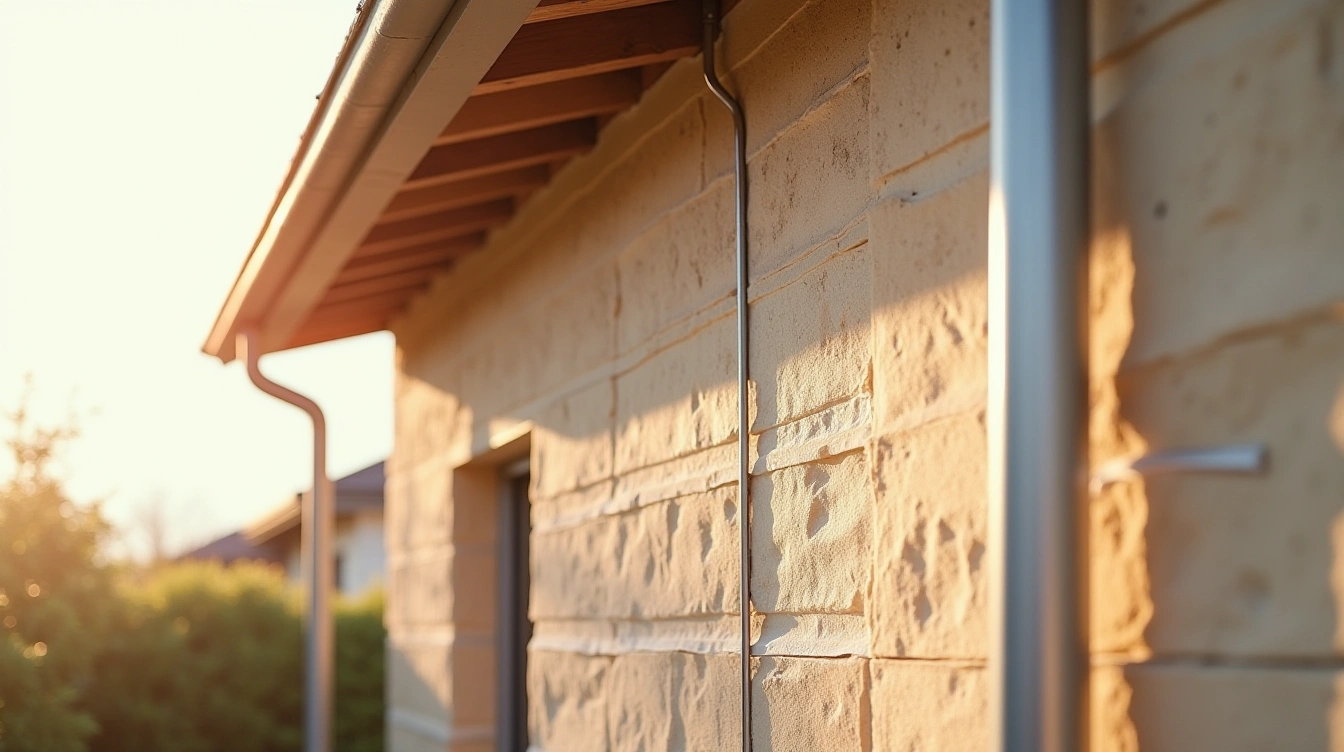
External wall insulation creates a continuous thermal barrier that wraps your entire building envelope. This unbroken layer of insulation material eliminates thermal bridges – those weak points where heat escapes through structural elements like brick ties, concrete lintels, and wall junctions. By positioning the insulation on the outside, the system keeps your structural walls warm, preventing condensation issues and maintaining stable internal temperatures.
Also to see : Expert electrician services in earlsfield for your needs
The impact on energy performance proves remarkable. Homes typically achieve 25-40% reduction in heating bills after installation, as the enhanced thermal envelope requires significantly less energy to maintain comfortable temperatures. During winter months, your heating system works more efficiently because it’s not constantly compensating for heat loss through walls. Summer brings equal benefits – the insulated envelope prevents excessive solar heat gain, reducing cooling costs and maintaining pleasant indoor conditions.
Beyond immediate comfort improvements, external insulation delivers substantial carbon footprint reduction. Lower energy consumption directly translates to reduced greenhouse gas emissions, particularly important as the UK moves toward net-zero targets. The system transforms your home into a more sustainable asset while delivering long-term financial returns through consistently lower energy bills.
Also read : Essential guide to commercial cleaning in London for businesses
Professional Installation Methods and Material Selection
The success of external wall insulation depends heavily on choosing the right installation method and materials for your specific building type. Professional installers typically employ three main techniques, each suited to different structural requirements and performance goals.
The adhesive method represents the most common approach, where insulation boards are bonded directly to the existing wall surface using specialised adhesives. This technique works exceptionally well on flat, structurally sound walls and provides excellent thermal continuity. Mechanical fixation, by contrast, uses specially designed fixings that penetrate through the insulation into the substrate, offering superior wind load resistance for taller buildings or exposed locations.
Modern installations often combine both methods in a hybrid system, maximising both adhesion and mechanical security. The choice depends on factors including building height, local wind exposure, substrate condition, and structural loading requirements.
Material selection proves equally critical to long-term performance. Expanded polystyrene offers excellent value and thermal efficiency for most residential applications, while mineral wool provides superior fire resistance for commercial buildings. Polyurethane delivers the highest thermal performance per millimetre thickness, making it ideal where space constraints exist.
Professional assessment remains essential, as incorrect material or method selection can compromise both thermal performance and structural integrity. Qualified installers evaluate substrate conditions, building orientation, and local climate factors to recommend the optimal solution for each project.
Key Considerations for Different Property Types
The success of external wall insulation depends heavily on understanding your property’s unique characteristics. Each building type presents distinct challenges that require tailored approaches to achieve optimal results.
Different property types demand specific considerations when planning external wall insulation installation:
- Victorian houses: Require careful assessment of solid brick walls, bay windows, and decorative features. Breathable insulation systems are essential to prevent moisture issues in these older structures.
- Modern constructions: Often benefit from straightforward installation but need attention to thermal bridging around windows and structural elements. Cavity wall assessment is crucial before proceeding.
- Listed buildings: Face strict planning restrictions and heritage considerations. Internal insulation may be the only viable option, requiring specialist heritage expertise and conservation officer approval.
- Flats and apartments: Present unique challenges with shared walls, fire safety regulations, and coordinating with other residents. Building management approval and comprehensive fire safety assessments are mandatory.
Each property type requires a bespoke approach to achieve successful installation while maintaining structural integrity and aesthetic appeal.
Balancing Benefits and Potential Drawbacks
External wall insulation delivers substantial long-term savings on heating bills, often reducing energy costs by 30-40% annually. The enhanced comfort levels and increased property value make it an attractive investment for most homeowners. However, this solution requires careful consideration of your specific circumstances.
The primary challenge lies in the initial investment, typically ranging from £8,000 to £15,000 for an average home. Additionally, the external appearance of your property will change significantly, which may concern those in conservation areas or with period properties. Some homeowners also face restrictions due to planning permissions or building regulations.
This solution works exceptionally well for solid wall properties built before 1930, where cavity wall insulation isn’t possible. It’s also ideal if you’re planning exterior renovations anyway. However, consider alternatives like internal wall insulation if external changes aren’t feasible, though these options typically offer lower thermal performance and reduce internal space.
Planning Permission and Regulatory Requirements
Navigating the regulatory landscape for external wall insulation requires careful attention to UK building regulations and planning requirements. Most homeowners benefit from permitted development rights, which allow EWI installation without formal planning permission on standard residential properties.
However, circumstances requiring full planning permission include properties in conservation areas, buildings with existing planning restrictions, or installations that significantly alter the building’s appearance. Listed buildings face the most stringent requirements, often necessitating listed building consent alongside detailed heritage impact assessments.
All EWI projects must comply with Building Regulations, particularly Part L covering energy efficiency and Part B addressing fire safety. These regulations ensure thermal performance standards and specify approved insulation materials and installation methods. The approval process typically takes 4-6 weeks for standard applications, though complex cases may extend longer.
Professional guidance proves invaluable when dealing with regulatory requirements. Experienced contractors understand local authority expectations and can streamline the approval process, ensuring your project meets all necessary standards while avoiding costly delays or compliance issues.
Your Questions About External Wall Insulation
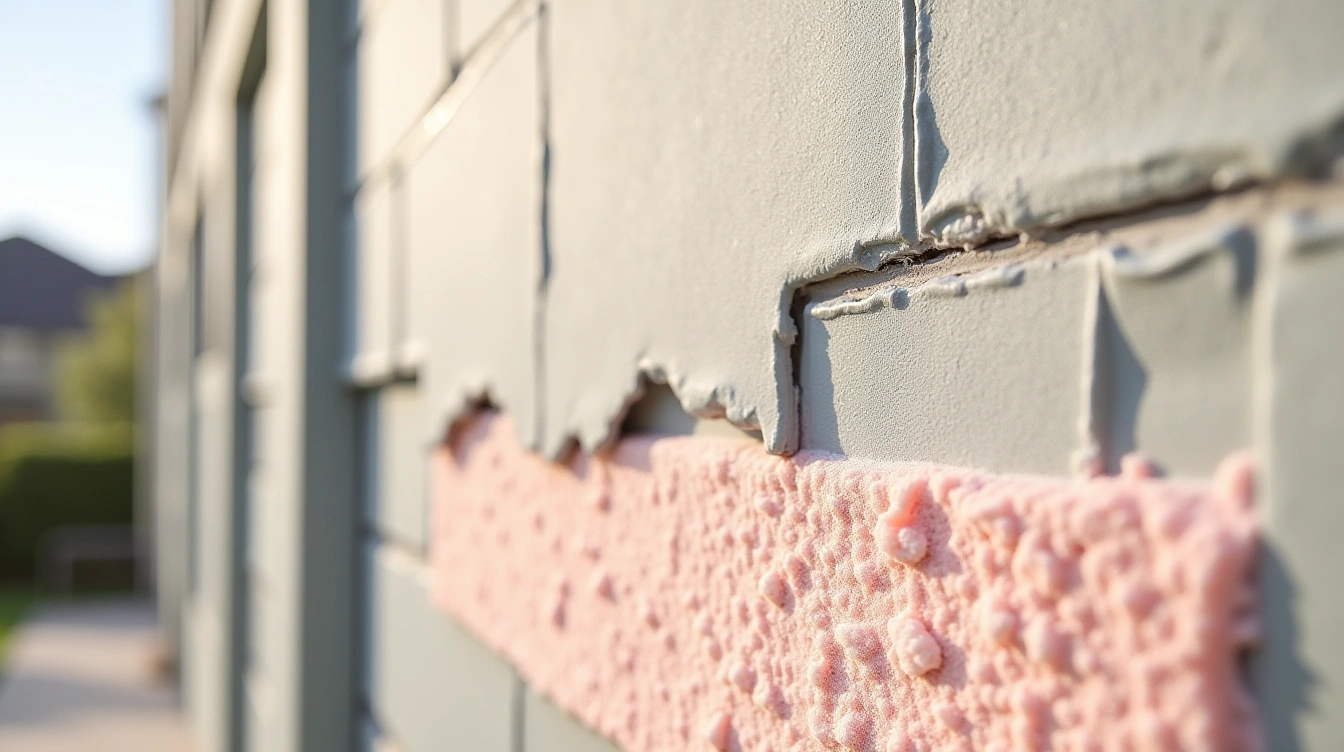
External wall insulation raises many practical questions for homeowners. From costs and permissions to installation timeframes, understanding these key considerations helps you make informed decisions about your property upgrade.
How much does external wall insulation cost to install?
External wall insulation typically costs £8,000-£22,000 for an average home, depending on property size, system type, and complexity. Government grants may reduce costs significantly for eligible properties.
Can I install external wall insulation on my listed building?
Listed buildings require special consent and careful material selection. Internal insulation often proves more suitable, though some external systems gain approval with appropriate heritage-sensitive materials and techniques.
What are the disadvantages of external wall insulation?
Main drawbacks include high upfront costs, potential planning restrictions, reduced garden space during installation, and possible aesthetic changes. Weather dependency can also extend installation timeframes considerably.
Do I need planning permission for external wall insulation?
Most external wall insulation falls under permitted development rights and doesn’t require planning permission. However, listed buildings, conservation areas, and significant thickness increases may need consent.
How long does external wall insulation installation take?
Installation typically takes 1-3 weeks for average homes, depending on property size, weather conditions, and system complexity. Preparation work and scaffolding add extra time to the overall project.
How can Licata Building Systems help with my insulation project?
Licata Building Systems provides expert consultation, system selection guidance, and professional installation services. Their technical team assesses your property’s specific requirements and recommends the most suitable insulation solutions.